
WEDNESDAY
UPDATE
WEDNESDAY
UPDATE

The Weekly Wednesday Update is our newsletter which we email every Wednesday with oral health, health and policy updates from around the state and nationally.
To view past issues click here.
October 14, 2026
Volume 17, Issue 40
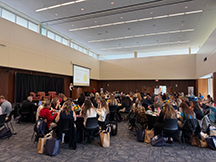 Join Us and Learn How We're Tackling Dental Access Hurdles Head-On
We have been working on our annual conference for months! Our focus this year is simple: delivering actionable strategies and impactful networking so we can collaborate on real solutions for expanding dental care access. Hear from speakers that are working in the dental field, public policy or consumer perspective.
And earn up to 7.25 CE’s for the day! Join the plenary sessions and breakout sessions.
Three Breakout Opportunities:
Enhancing Patient-Centered Care with the My Dental Care Passport & Sensory Modifications Guide
Speakers: Dr. MaryAnne Lynch Small, MPH, BDS, Oral Health Kansas; Abby Richwine, RDH, BS, Oral Health Kansas; Deb Pochop, Northwest Smile Center; Billie Donohue, CDA, Rogers Family Dentistry; Shelley Howard, RDH, BS DH, MHSA, UMKC School of Dentistry
Resilience, Well-Being, and Success in the Workplace
Speaker: Jody J. Fiorini, PhD, LCPC-S, NCC, ACS, Professor of Counseling Coordinator of the PhD in Education & Behavioral Studies - Clinical Counselor Education & Supervision track, Intervention Services & Leadership in Education (ISLE)
Building Your Advocacy Skills
Speaker: Little Government Relations
Plenary Sessions:
Oral Health Policy and Election Update
Speaker: Little Government Relations
AI in Dentistry
Speaker: Tatiana Y. Lin, MA, Kansas Health Institute
The State of Dental Practice: Costs, Insurance, and Access
Speaker: Deesha Bhaumik, PhD, American Dental Association Health Policy Institute
Keynote Speaker
Shifting the Narrative: Amplifying Voices
Whit Downing, Kansas Council on Developmental Disabilities
To view a description of the sessions, click here.
Conference attendee registration fees gives you access to all sessions, meals and raffle:
Regular Attendee Rate: $125 | Walk-in Attendee Rate: $150
Regular Student Rate: $20 | Walk-in Student Rate: $25
Register here! If you do not have an account with the Iris conference platform, you will need to create an account.
Hotel Information: We have a hotel block at Courtyard by Marriott Kansas City Olathe 141.00 USD - 149.00 USD per night. Book your room at this link. Last day to book is Thursday, October 29, 2026.
 Here's What We're Working on for 2027
Every year, our advocacy committee sets a focused agenda (or public policy priorities) for the legislative session. For 2027, our priorities center on one goal: making sure every Kansan can get the dental care they need.
The policy areas are:
- Increase financial capacity to pay for dental services
- Increase access to providers
- Improve Public Oral Health
You can read the full policy priorities here.
What will be OHK’s focus?
Our top priority this coming year will be advocating for another Medicaid dental rate increase in Kansas. We appreciate the funds allocated this year for a dental rate increase, but the work isn’t done. Providers have shared that increasing rates is what helps them keep their doors open to continue to see patients. The cost pressures facing dental offices, including rising supply and staffing costs, make it harder to keep a practice going. Medicaid coverage only works when there are enough providers to deliver the care.
Want to know what’s ahead for oral health policy and Medicaid dental rates? Join us at our Conference on Oral Health, where Mallory Lutz of Little Government Relations will give the latest updates. She will also have a breakout session where attendees will learn the foundational skills needed to become effective advocates for oral health policy at the local and state level.
.png) Health Literacy Month
Health Literacy Month
October is recognized as Health Literacy Month. It’s important for you to understand what your health needs are and what options you have, to make better decisions for you!
Understanding your health insurance is also another important piece of health literacy. Reading your policy may not be easy to understand. You can call your health insurance company and have a representative explain what coverage you have. Ask as many questions as you need to, especially if you don’t understand some of the terminology.
You should approach your dental insurance the same way. If you don’t understand what it covers, call your insurance company on the back of your card to speak with a representative. If you will need to have services done in the future, it’s even more crucial to know what your insurance covers so there are no surprises for your appointment. Oral Health Kansas has created a Tip and Trick, Using Dental Insurance: 10 Smart Tips also in Spanish, that can be helpful to get the most from your benefits.
.png) National Dental Hygiene Month
National Dental Hygiene Month
October is National Dental Hygiene Month, an annual observance led by the American Dental Hygienists' Association that celebrates the work of dental hygienists and promotes the importance of daily oral care and preventive dental visits. Hygienists assess patients' oral health and screen for gum disease, oral cancer, and other conditions. They often serve as the first professional to spot signs of broader health concerns, since the mouth can reflect conditions like diabetes and heart disease.
We’re happy to recognize dental hygienists on our staff and our Board of Directors. They play an important role educating Kansans on the importance of oral health.
Oral Health Kansas staff:
- Kathy Hunt
- Abby Richwine
- Laura Gigstad – OHK intern
Oral Health Kansas Board of Directors:
- Melanie Simmer Beck
Thank your dental hygienist the next time you visit. Also, take a few minutes and ask what brought them to the dental hygiene world. You may learn something new!
 Upcoming Events
- Self paced courses: Providing Oral Health Care to Autistic Individuals and Caring for Individuals with Disabilities: Practical Considerations for Dental Providers.
- Webinar: Rutgers University offering Perinatal Oral Health ECHO Series webinar. Check out the list of series here.
- Webinar: Substance Use Disorders and Dentistry, hosted by CareQuest Institute for Oral Health on October 22 at 6:00pm CST. Register here.
- Event: 2026 Conference on Oral Health will be Friday, November 13 at the KU Edwards Campus in Overland Park. Click here for information.

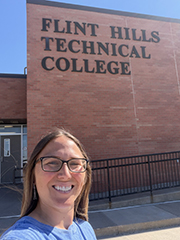 Education Manager, Abby Richwine, presented to dental hygiene students at Flint Hills Technical College. She shared techniques students can use when working with individuals with disabilities. She reminded them that every person is different and will have unique needs. It’s important to practice and feel comfortable.
If you want to learn more, email Abby at arichwine@oralhealthkansas.org
 Sugary Drink Display
We have Adult and Children's Sugary Drink Display's available for reservations. These displays are eye catching at exhibits, schools, library, dental offices, clinics and just about anywhere you see them! We only have a limited amount so please sign up soon if you're interested in reserving one. Click here to learn more about sugary drink display reservations!
Follow Us


